

Outdoor advertising, especially billboards, has been a go-to for brand visibility for decades. But in today’s world, dominated by digital marketing, you might be asking: why is outdoor advertising effective in 2026?
The answer is simple: OOH (out‑of‑home) isn’t just surviving—it’s evolving. Modern billboards are smarter, more measurable, and closely integrated with digital channels.
For CMOs and brand strategists skeptical about offline media relevance, the data and trends tell a compelling story—just as Penneco Outdoor Advertising has demonstrated through decades of high-impact billboard campaigns.
In this article, we’ll explore why OOH is making a comeback, why billboards are more effective than ever, and how this traditional medium fits into the modern marketing ecosystem.
The OOH Resurgence: A Market on the Rise
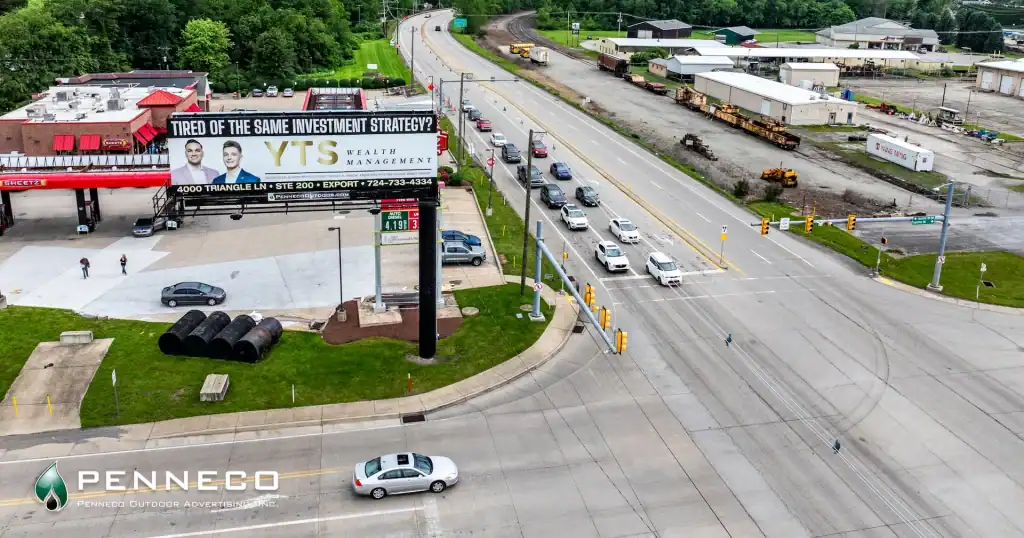
According to market research from Grand View Research, the global billboard and outdoor advertising market was valued at around $41.1 billion in 2025 and is projected to grow at an 8.4 % CAGR from 2026 to 2033, reaching over $78 billion by 2033.
This growth isn’t a rounding error—it reflects renewed investment from advertisers who see outdoor media as a high‑value touchpoint in marketing mixes, especially when it’s integrated with digital insights and delivery mechanisms.
In the United States alone, the billboard and outdoor media sector is expected to nearly double in revenue by 2033, growing at a 9.1 % CAGR from 2026 onwards.
What’s Driving This Growth?
- Dynamic digital formats that bridge the physical and digital worlds
- Programmatic buying & data‑driven audience planning
- Strong brand recall and visibility advantages
- Integration with consumers’ mobile and social journeys
This progression means OOH isn’t being replaced—it’s reinventing itself as a robust, data‑informed channel.
Why Is OOH Growing Again?
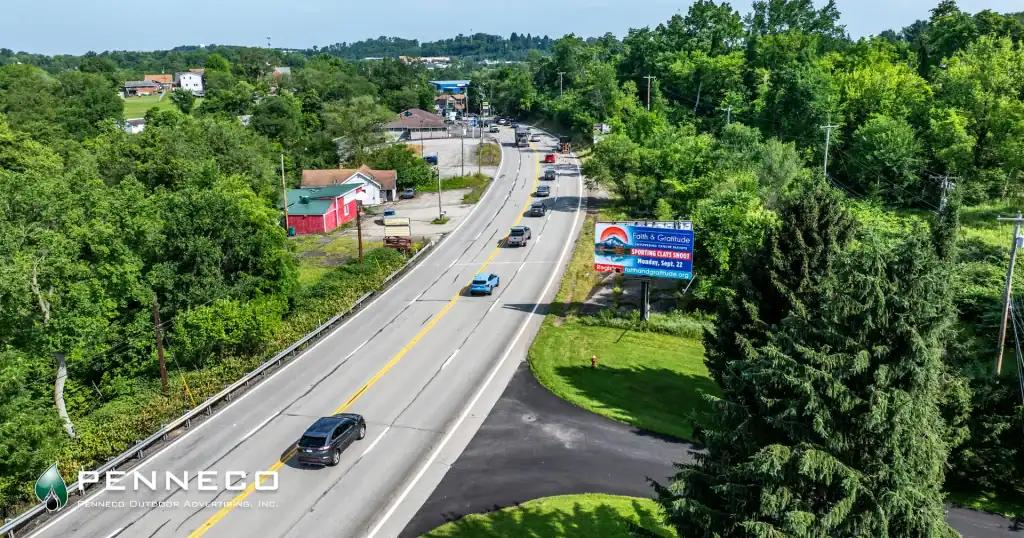
After a few lean years, outdoor advertising is finding its footing again, driven by smarter data, digital integration, and renewed focus on measurable brand impact.
A. From Static to Data‑Driven
Modern OOH campaigns are no longer blind bets based on gut feelings. Today, planners use mobility data, audience behavior models, and real‑time performance metrics to inform location, timing, and messaging choices.
This shift is critical for CMOs who need accountability and measurable impact from every media dollar. Rather than saying “we saw a billboard here”, brands can now measure:
- Footfall and impressions
- Time of day engagement
- Estimated brand lift
- Store visits (when combined with location analytics)
Such insights closely mirror the measurement expectations marketers are accustomed to in digital channels.
B. Programmatic DOOH Makes OOH Agile
Programmatic digital out‑of‑home (pDOOH) has transformed OOH from static signs to responsive media assets. With pDOOH:
- Creative content updates in real time
- Messaging adapts based on weather, traffic, or audience segment
- Campaigns optimize continuously without long lead times
This flexibility shrinks the gap between OOH and digital advertising, making outdoor placements more targetable, accountable, and performance‑oriented than ever before.
C. Brand Impact Still Matters
A study highlighted by Grand View Research found that among people exposed to outdoor ads, there was a 41 % increase in the likelihood of learning about the advertised brand, and 70 % said outdoor ads influenced their purchase decisions.
Those are brand lift figures many digital channels envy—especially at scale.
How OOH Integrates Seamlessly With Digital Channels
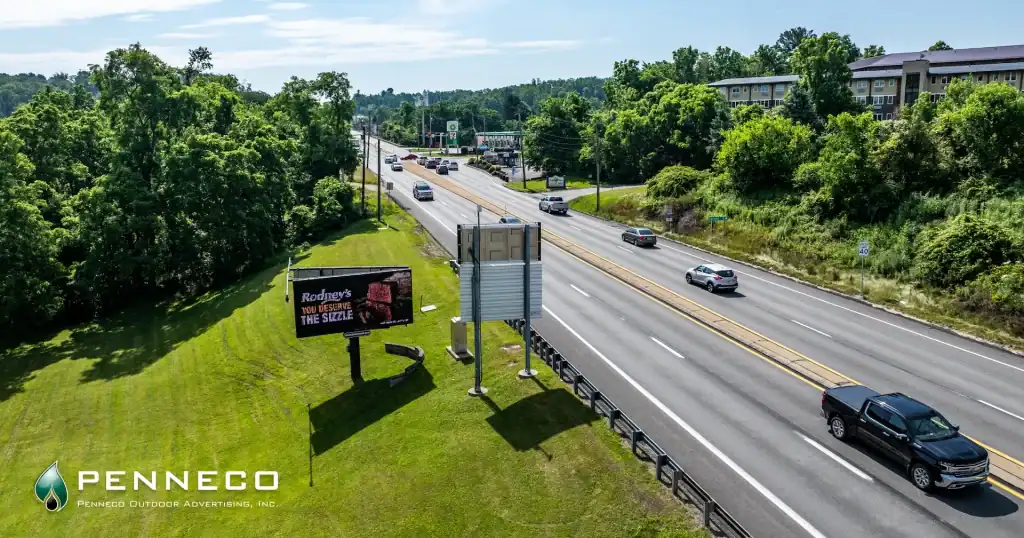
One of the foundational reasons outdoor advertising is effective in 2026 is because OOH isn’t treated as its own silo—it’s now a physical trigger in a broader customer journey.
Real‑World Meets Real Time
Today’s OOH campaigns can:
- Beef up search and social conversions
- Trigger mobile engagement via QR codes or NFC
- Activate retargeting sequences based on outdoor exposure
This transforms outdoor touchpoints into lead generators and contributes directly to digital outcomes like site visits, search lift, and even conversions across channels.
Examples of OOH + Digital Integration
- A billboard promoting an event uses a QR code that opens an RSVP page
- A programmatic DOOH campaign adapts creative based on foot traffic and engagement windows
- OOH exposure boosts mobile search volumes for branded terms
Rather than seeing outdoor as “offline only,” savvy brands now use it as a launchpad to digital action.
Key Trends Shaping OOH’s Role in 2026
Understanding the resurgence also means recognizing the trends that are shaping OOH’s evolution.
1. Omnichannel Integration Is the New Baseline
Forward‑thinking marketers no longer view channels as separate silos. OOH sits alongside digital, and campaigns are intentionally designed to:
- Reinforce online messaging
- Accelerate engagement cycles
- Repeatedly expose audiences to consistent brand narratives
This integration increases overall media effectiveness and significantly boosts recall and conversion metrics.
2. Experience & Immersion Drive Engagement
OOH is no longer static and passive. Emerging formats include:
- Immersive installations and experiential OOH
- Gesture‑responsive screens
- AR or interactive features that encourage engagement
These formats turn outdoor ads into moments people participate in, not just observe.
3. Contextual Targeting Increases Relevance
Instead of broad, blanket coverage, the top OOH campaigns are optimizing placement and timing for relevance. By leveraging mobility, commuter patterns, and location analytics, brands ensure their messages appear where target audiences are actually moving.
4. Sustainability and Tech Convergence
Sustainability is increasingly part of outdoor strategies. From solar‑powered digital displays to eco‑friendly materials, OOH formats are aligning with values that modern consumers care about—without sacrificing impact.
What Makes Billboard Advertising Especially Effective
Now that we’ve outlined why OOH overall is resurging, let’s zoom in on billboards—especially in 2026.
Ubiquitous Visibility Builds Brand Scale
Billboards are everywhere: high‑traffic highways, transit hubs, urban centers. This kind of saturation creates repeated exposures that reinforce top‑of‑mind awareness, which is crucial for branding and long‑term recall.
Unlike digital ads where users can skip or block content, outdoor placements are non‑skippable. People see them as part of their physical environment—day after day.
Static + Digital = Balanced Impact
Both traditional static and digital billboards play roles:
- Static boards offer cost‑effective mass reach
- Digital boards offer agility and data‑enabled optimization
Using both in tandem ensures broad reach and adaptable real‑time messaging.
Physical Presence Builds Credibility
There’s an intangible benefit to outdoor advertising: brand stature. A prominent billboard says your brand has scale and legitimacy. This “brand trust” quality often strengthens digital click‑through rates and downstream conversions. (This sentiment is echoed among marketers who see OOH as a trust signal that supports digital efforts even when direct attribution is challenging.)
Emerging Trends Every CMO Should Watch
Programmatic OOH Is Becoming Standard
No longer experimental, programmatic platforms now allow real‑time bidding, automated inventory access, and dynamic creative rotation. These capabilities make outdoor media as agile as online channels while retaining that mass reach.
Data‑Led Attribution Is Increasing Accountability
New analytics tools are tying OOH exposure to measurable outcomes—such as store visits or mobile engagement—making it easier to justify outdoor budgets in performance‑driven plans.
Mobile Integration Becomes Expected
Integrating mobile experiences—QR codes, AI triggers, or location data—bridges the physical‑digital gap and transforms outdoor visibility into actionable outcomes.
Q&A: Outdoor Advertising in 2026
Q: Why is OOH growing again after years of digital dominance?
A: OOH is growing because it has evolved. Today’s OOH is data‑driven, measurable, and connected to digital channels. Advertisers can now optimize, target, and evaluate outdoor campaigns with precision once reserved for online ads—but with unavoidable real‑world presence that digital can’t replicate.
Q: How does outdoor advertising integrate with digital channels?
A: Modern OOH integrates by:
- Supporting mobile triggers like QR codes
- Feeding into retargeting sequences
- Aligning with online search and social campaigns
- Using real‑time data to adjust messaging
This turns billboards into engagement catalysts that support broader marketing funnels.
Q: What are the emerging trends shaping OOH in 2026?
A: Key trends include:
- Programmatic DOOH adoption
- Data‑led planning and attribution
- Immersive and interactive formats
- Sustainability and eco‑friendly displays
- Contextual messaging based on audience movement
Each trend pushes outdoor advertising from static visibility toward dynamic, integrated brand experiences.
Final Takeaway: OOH Is Not Obsolete—It’s Essential
For CMOs questioning why outdoor advertising is effective, the answer lies in modern execution, not legacy assumptions. OOH—especially billboards—is no longer a passive backdrop. It’s a strategic asset that:
- Builds brand recall and trust
- Enhances digital channels
- Delivers measurable impact
- Reaches audiences where digital sometimes cannot
The comeback of OOH isn’t about nostalgia—it’s about smart, purposeful innovation. In 2026, outdoor advertising isn’t just relevant; it’s a key part of any integrated marketing strategy.