

There was a time when billboard advertising was a broad, one-size-fits-all approach. Brands placed messages along highways and hoped they reached the right people. But today’s advertising landscape has shifted—audiences expect messaging that feels relevant to where they actually live, work, and travel.
That shift is exactly why hyperlocal billboard advertising has become one of the fastest-growing strategies in out-of-home marketing.
Modern campaigns now go beyond visibility. Success depends on context—understanding who is passing by, what communities they move through, and what messaging will feel relevant in that specific moment.
With advances in location data, mobile insights, and programmatic OOH, advertisers can now align campaigns with real travel corridors, commuter behavior, and neighborhood-level audience patterns. This allows brands to move from broad awareness to precise, location-driven communication.
For local businesses, regional brands, healthcare providers, dealerships, entertainment venues, restaurants, and community organizations, hyperlocal OOH creates an opportunity to reach the right audience in the right place at the right time.
At Penneco Outdoor Advertising, we help businesses throughout Western Pennsylvania build billboard campaigns that connect with specific communities and local audiences through strategic placement and location-based messaging.
What Is Hyperlocal OOH?
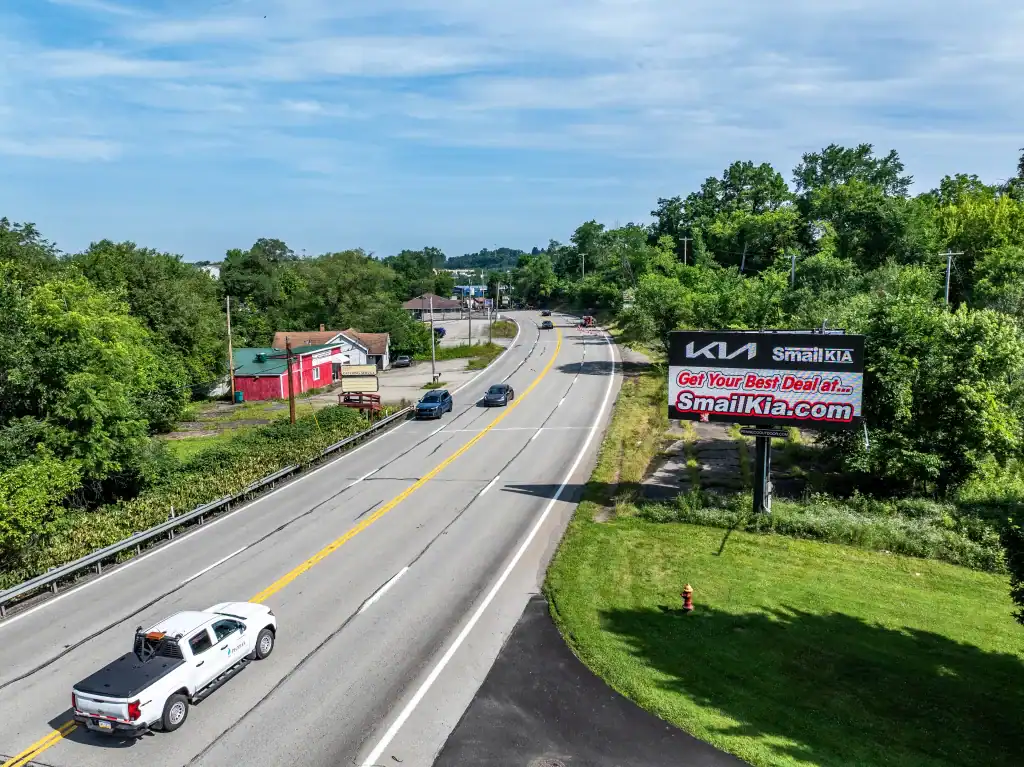
Hyperlocal OOH, or hyperlocal out-of-home advertising, refers to billboard campaigns that are specifically designed for a targeted geographic area, neighborhood, or community.
Unlike traditional regional advertising, which may cast a wide net across multiple markets, hyperlocal billboard advertising focuses on delivering messages tailored to highly specific audiences within smaller locations.
This could include:
- Advertising near a particular shopping district
- Targeting commuters in a specific suburb
- Promoting local events to nearby residents
- Highlighting neighborhood-specific offers
- Customizing creative based on community interests
- Reaching local demographics with contextual messaging
The rise of digital technology, location data, mobile insights, and programmatic advertising has made hyperlocal targeting far more sophisticated than it was even a few years ago.
Modern billboard campaigns are no longer just about visibility. They are about context. Businesses can now use location insights, traffic patterns, commuter behavior, and demographic data to create campaigns that feel more relevant to specific communities.
By combining strategic billboard placement with audience targeting, brands can deliver messaging that aligns more naturally with the people seeing it every day. This localized approach helps campaigns feel more personal, timely, and connected to the communities they serve.
In simple terms, hyperlocal OOH helps businesses stop talking to “everyone” and start talking directly to the communities they want to reach most.
Why Hyperlocal Billboard Advertising Works
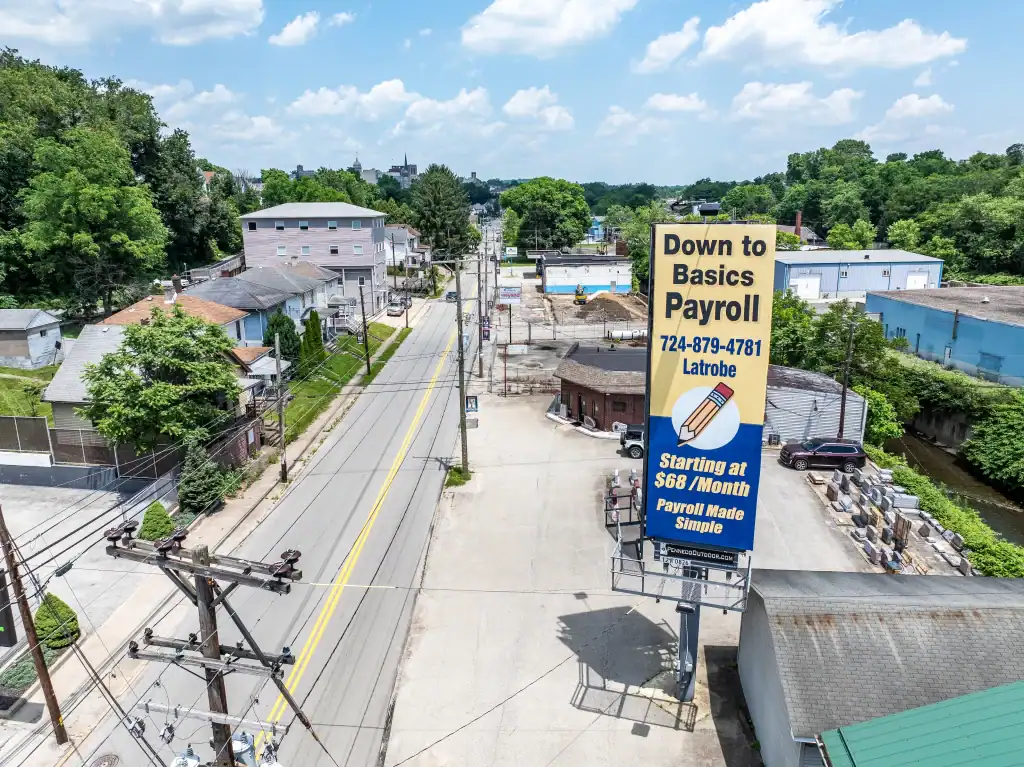
People respond to advertising differently when it feels familiar and locally connected.
A billboard referencing a nearby event, local landmark, school district, community issue, or neighborhood identity naturally creates more relevance than a generic ad that could appear anywhere in the country.
Hyperlocal billboard advertising works because it taps into community awareness and local behavior patterns.
It Creates Stronger Relevance
Consumers are exposed to thousands of ads every single day. Most are quickly ignored because they do not feel personally relevant.
Localized billboard campaigns help break through that noise by speaking directly to the environment people are already experiencing.
For example:
- A restaurant promoting lunch specials near office corridors
- A roofing company advertising after severe weather in affected communities
- A healthcare provider targeting neighborhoods with aging populations
- A local festival promoting dates near event traffic routes
- A college promoting enrollment near surrounding school districts
The more contextually relevant the message feels, the more likely audiences are to notice and remember it.
It Builds Community Trust
Local audiences tend to support businesses that appear invested in the community.
Neighborhood ads that reference local identity, sports teams, regional culture, or community events often feel more authentic than national-style advertising campaigns.
This community familiarity helps create trust and recognition over time.
It Improves Advertising Efficiency
Hyperlocal campaigns allow advertisers to focus budgets where they matter most.
Instead of spreading impressions across broad geographic regions, businesses can concentrate their messaging in the neighborhoods where their ideal customers actually live, work, shop, or commute.
This often leads to stronger campaign efficiency and better audience alignment.
It Supports Omnichannel Marketing
Hyperlocal billboard advertising works especially well when paired with digital marketing strategies.
According to Resonance Marketing, combining mobile targeting with OOH campaigns can reinforce messaging across multiple touchpoints, helping brands improve recall and engagement.
For example, someone may see a billboard during their commute and later receive a mobile ad within the same geographic area. This layered exposure strengthens brand familiarity and improves campaign performance.
How to Execute a Hyperlocal OOH Campaign
Effective hyperlocal billboard advertising requires more than simply placing a sign near a town or neighborhood. Successful campaigns are built through strategic planning, audience analysis, location selection, and creative customization.
Start with Geographic Targeting
The first step in any hyperlocal campaign is defining the exact geographic audience you want to reach.
This may include:
- Specific neighborhoods
- School districts
- Shopping corridors
- Commuter routes
- Event zones
- Downtown districts
- Residential communities
- Business parks
Understanding where your audience spends time helps determine which billboard locations will provide the strongest visibility and relevance.
At Penneco Outdoor Advertising, billboard placement strategy is built around real traffic flow, community movement patterns, and regional audience behavior throughout Western Pennsylvania.
Use Location Data and Demographic Insights
One of the biggest shifts in modern local OOH advertising is the use of data-driven targeting.
Advertisers can now evaluate factors such as:
- Traffic volume
- Commuter behavior
- Household demographics
- Income ranges
- Retail activity
- Consumer interests
- Mobile movement patterns
This information helps brands identify where their target audiences are most likely to engage with billboard messaging.
For example:
- A luxury brand may prioritize affluent suburban corridors
- A local restaurant may focus on lunch traffic routes
- A healthcare provider may target aging residential communities
- A university may advertise near student-heavy neighborhoods
The goal is not just exposure. It is exposure to the right people in the right locations.
Customize Creative for the Community
One of the defining features of hyperlocal billboard advertising is localized creative.
Generic messaging tends to blend into the background. Community-targeted creative stands out because it feels more personal and relevant.
Effective neighborhood ads may include:
- Local references
- Community language
- Seasonal relevance
- Event tie-ins
- Regional humor
- Nearby landmarks
- Local sports culture
- Area-specific promotions
For example, a billboard near Pittsburgh may reference local traditions, weather patterns, sports culture, or community pride in ways that resonate specifically with Western Pennsylvania audiences.
This localized approach helps create stronger emotional connection and memorability.
Match Messaging to Traffic Context
Location matters, but so does the environment surrounding the billboard.
Different audiences interact with ads differently depending on where they are and what they are doing.
Examples include:
- Highway commuters needing short, bold messaging
- Downtown pedestrian areas supporting more detailed creative
- Retail districts benefiting from promotional urgency
- Entertainment corridors highlighting events and nightlife
- Residential areas focusing on trust and familiarity
Hyperlocal campaigns succeed when the creative matches the context of the environment.
Integrate Digital and Mobile Campaigns
Modern hyperlocal advertising often blends physical billboards with digital marketing efforts.
This may include:
- Mobile retargeting
- Geofencing
- Social media campaigns
- Local search advertising
- Event promotion
- QR code interaction
- Website landing pages tied to geographic markets
Community-focused advertising tends to perform best when businesses create a consistent experience across multiple marketing channels instead of relying on a single platform alone.
Billboards can serve as the anchor point for broader local campaigns that extend into digital spaces, including social media, mobile advertising, local search, and event marketing.
How Does Hyperlocal Billboard Performance Compare?
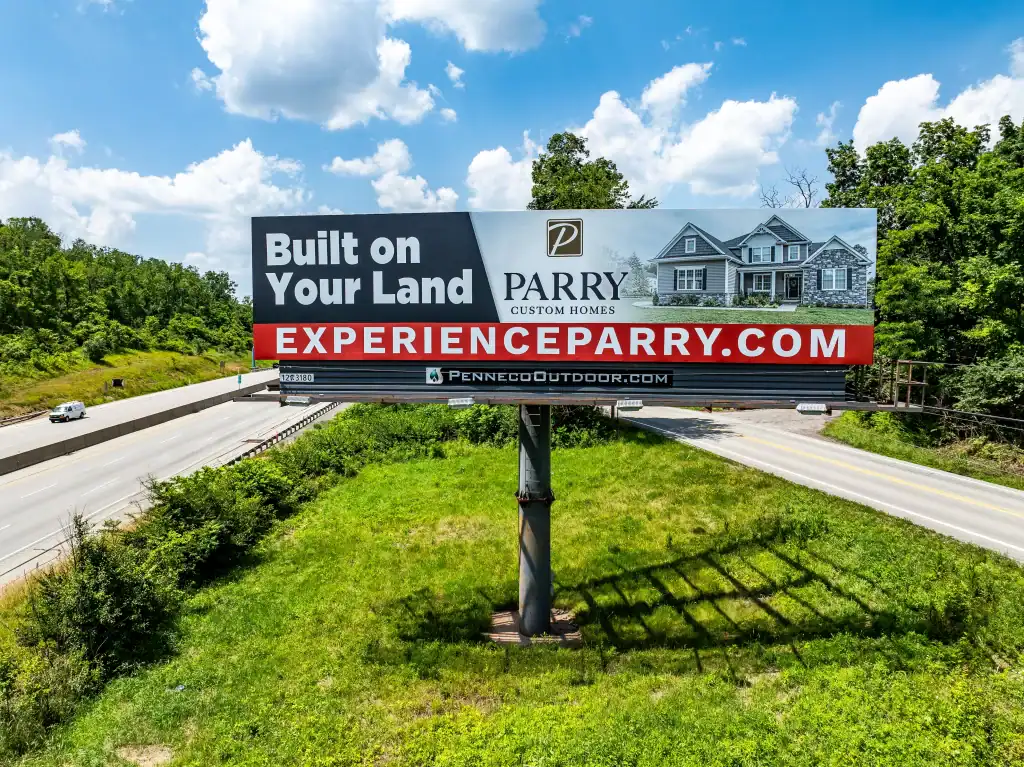
One of the most common questions businesses ask is whether localized billboard campaigns actually perform better than broader advertising strategies.
In many cases, the answer is yes.
Hyperlocal OOH campaigns can be more effective than generic campaigns because they create stronger relevance and audience alignment within specific communities.
Increased Brand Recall
When people see messaging tied directly to their local environment, they are more likely to remember it.
Community-specific references naturally attract more attention than generalized advertising.
Better Audience Matching
Instead of paying for impressions outside your target area, hyperlocal campaigns focus visibility where your most valuable audiences already are.
This improves overall campaign efficiency.
Stronger Community Engagement
Localized campaigns often generate stronger emotional connection because audiences feel the advertiser understands the community.
This is particularly valuable for:
- Local businesses
- Healthcare providers
- Community organizations
- Regional brands
- Schools and universities
- Service companies
- Entertainment venues
Higher Campaign Flexibility
Digital billboard technology also allows advertisers to adapt messaging by:
- Time of day
- Weather conditions
- Traffic patterns
- Community events
- Seasonal changes
- Audience behavior
This flexibility makes hyperlocal campaigns more responsive and dynamic than traditional static advertising approaches.
Examples of Hyperlocal Billboard Advertising
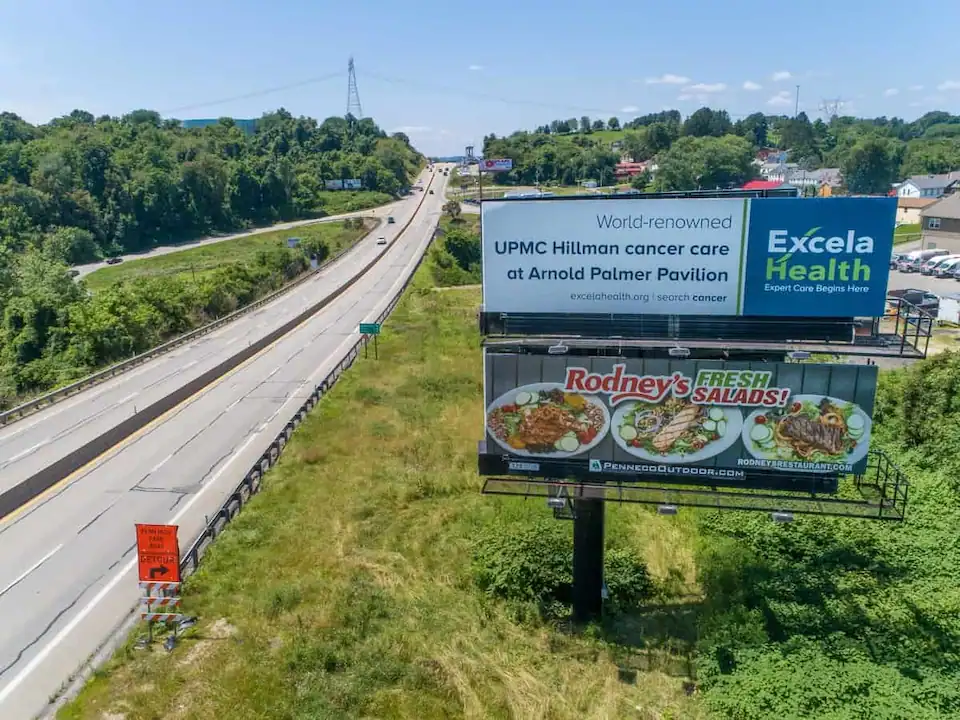
Hyperlocal campaigns can take many forms depending on the business and target audience.
Example 1: Local Restaurant Campaign
A neighborhood restaurant places billboards near office corridors promoting lunch specials during weekday commute hours.
The creative references local traffic patterns and nearby landmarks to create immediate relevance.
Example 2: Community Event Promotion
A local festival uses neighborhood ads surrounding the event area, increasing awareness among nearby residents most likely to attend.
The campaign includes countdown messaging and digital billboard updates leading up to the event.
Example 3: Healthcare Provider Expansion
A medical practice opening a new location targets surrounding residential communities with localized messaging focused on convenience and trust.
The billboard placement strategy prioritizes commuter visibility and nearby retail traffic.
Example 4: Regional Retail Campaign
A retailer customizes billboard messaging based on individual communities, adjusting promotions according to local demographics and shopping behaviors.
Different neighborhoods receive different creative variations tailored to audience interests.
Why Hyperlocal OOH Is Growing in 2026
The advertising industry is increasingly shifting toward personalization and localized engagement.
Consumers are more likely to engage with advertising that feels relevant to their daily routines, local environment, and community interests.
Several trends are fueling the growth of hyperlocal billboard advertising:
Programmatic OOH Expansion
Programmatic out-of-home advertising allows brands to buy and adjust billboard placements dynamically using audience data and location insights.
This gives advertisers greater flexibility when adjusting campaigns based on audience behavior, timing, and geographic targeting.
Mobile Data Integration
Advertisers can now better understand movement patterns, commuting behavior, and geographic audience trends through aggregated mobile insights.
This improves billboard targeting accuracy.
Community-Centered Marketing
Consumers increasingly support brands that demonstrate local relevance and community awareness.
Neighborhood-focused advertising helps businesses appear more connected and authentic.
Blending Physical and Digital Advertising
Modern campaigns no longer separate traditional and digital media.
Instead, brands are creating integrated strategies where physical billboards reinforce digital engagement and vice versa.
This hybrid approach is helping local OOH remain highly competitive in today’s marketing environment.
How Penneco Outdoor Advertising Helps Businesses Localize Campaigns
At Penneco Outdoor Advertising, we understand that successful billboard advertising is not just about placement. It is about relevance.
Our team works with businesses throughout Western Pennsylvania to develop localized billboard strategies that align with real audience behavior, traffic patterns, and community engagement opportunities.
We help advertisers:
- Identify strategic billboard locations
- Target specific communities and neighborhoods
- Align messaging with local audiences
- Create impactful creative strategies
- Improve visibility within regional markets
- Build stronger local brand recognition
Whether you are promoting a small local business, regional healthcare organization, entertainment venue, or multi-location brand, hyperlocal billboard advertising offers an opportunity to create more meaningful connections with the communities you serve.
Why Hyperlocal Billboard Advertising Matters
The future of out-of-home advertising is becoming increasingly localized, data-driven, and community-focused.
Businesses using hyperlocal billboard advertising are finding new ways to strengthen local visibility, improve audience targeting, and create campaigns that feel more connected to the communities they serve.
Consumers do not just want advertising that is visible. They want advertising that feels connected to their environment, their routines, and their communities.
That is exactly what hyperlocal OOH delivers.
By combining strategic placement, localized creative, audience insights, and regional expertise, billboard campaigns can become far more than awareness tools. They can become part of the conversation happening within the communities businesses want to reach most.
Stop wasting impressions on the wrong audience. Partner with Penneco Outdoor Advertising to create hyperlocal billboard campaigns that put your message in front of the communities that matter most.