

Billboards have come a long way from simple printed signs beside the highway.
Today’s most successful outdoor advertising campaigns are interactive, immersive, and designed to create real-world experiences that people actually remember, while keeping the driver’s safety in mind.
From motion sensors to utility billboards to augmented reality displays, brands are discovering that an interactive billboard can do far more than deliver a quick message. It can start conversations, encourage engagement, generate social shares, and create memorable customer experiences that continue long after someone drives by.
As marketing becomes more competitive in 2026, creative marketers and brand teams are looking for ways to stand out in crowded digital spaces.
Consumers scroll past online ads in seconds. They ignore popups. They skip videos.
But outdoor advertising still commands attention because it exists in the real world. When combined with experiential OOH (out-of-home advertising), billboards become something people interact with instead of something they simply see.
At Penneco Outdoor Advertising, we’ve seen firsthand how innovative billboard campaigns help businesses increase visibility, strengthen brand recognition, and create unforgettable impressions. The future of OOH advertising isn’t static. It’s creative, functional, interactive, and designed to connect with audiences in smarter ways.
What Is an Interactive Billboard?
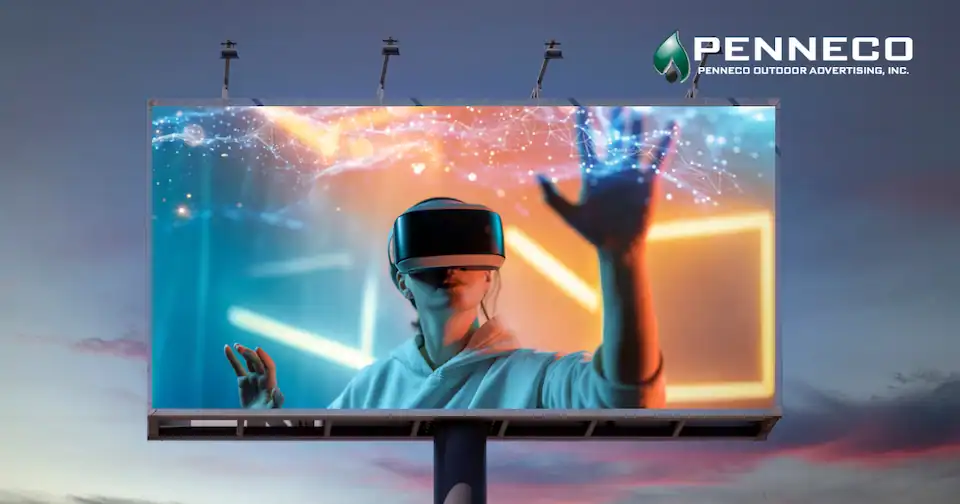
An interactive billboard is any outdoor advertisement designed to encourage audience participation, engagement, or real-time response. Instead of simply displaying a message, these billboards create experiences. They may invite users to react to changing weather, interact with augmented reality elements, or engage with digital content through their smartphones.
Interactive billboards are part of a larger trend toward experiential OOH marketing, where brands create memorable moments instead of passive advertising. These campaigns often blend physical advertising with digital technology to increase engagement and amplify reach across social media and online channels.
Some of the most common types of interactive billboard campaigns include:
- Augmented reality experiences
- Motion-triggered digital billboards
- Utility billboards with functional elements
- Weather-responsive messaging
- Live social media integrations
- AI-driven personalized content
- Programmatic digital out-of-home (DOOH) campaigns
- 3D billboard displays
- Gamified outdoor experiences
What makes these campaigns so effective is their ability to create participation. People remember experiences more than advertisements. An interactive billboard invites audiences (passengers and pedestrians) to stop, look, react, and engage.
In many cases, interactive campaigns also extend beyond the billboard itself. A clever campaign can spark user-generated content, social shares, local buzz, and even media coverage. One outdoor ad placement can suddenly become part of a much larger marketing strategy.
What Makes a Billboard Interactive?
Not every modern billboard qualifies as interactive. Simply placing an ad on a digital screen doesn’t automatically create engagement. True interactivity happens when the audience can safely become part of the experience.
Successful interactive billboard campaigns usually include one or more of these elements:
Real-Time Content
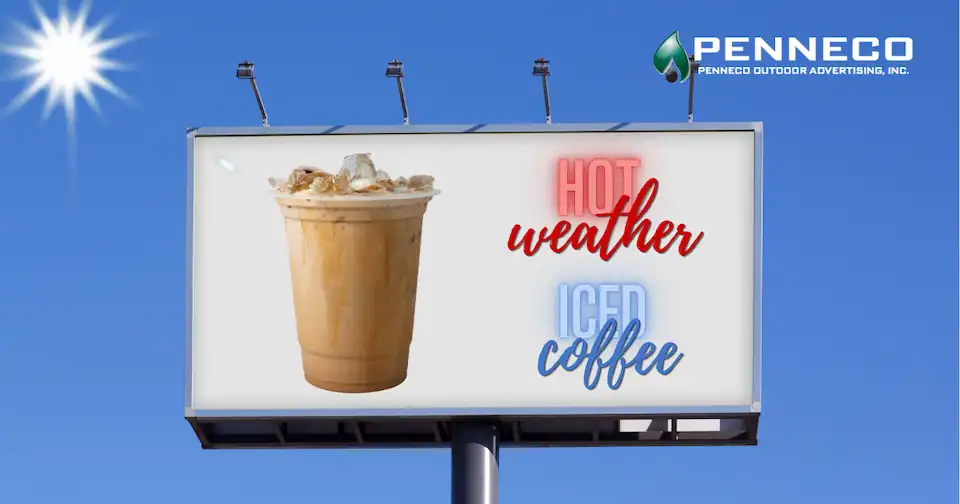
Programmatic DOOH technology allows billboards to change messaging based on time of day, weather, traffic patterns, audience demographics, or live events. A coffee company may promote iced drinks during hot afternoons and hot coffee during cold mornings. A local restaurant might display breakfast specials during rush hour and dinner promotions later in the evening.
Real-time adaptability keeps billboard content relevant and timely.
Audience Participation
Some campaigns encourage direct participation through social hashtags, contests, or mobile integrations. Consumers (never the driver – always the passenger or pedestrian) can interact with the billboard using their phones, unlocking discounts, games, videos, or augmented reality experiences.
This creates measurable engagement while connecting physical advertising to digital marketing channels.
Utility & Functionality
One of the fastest-growing forms of experiential OOH is the utility billboard. These campaigns provide some type of useful service or functionality to the public.
According to WIRED, utility-focused outdoor advertising campaigns have included rain shelters, public charging stations, air purifiers, water dispensers, and weather-responsive installations. Instead of simply advertising to people, these billboards actively help them.
That shift dramatically changes how audiences perceive the brand behind the message.
Immersive Visual Design
3D billboards and augmented reality experiences are becoming increasingly popular because they stop people in their tracks. Large-scale visual illusions, animated displays, and layered designs create memorable visual moments that often go viral online.
When people photograph and share a billboard campaign, the advertising extends far beyond the original physical location.
Emotional Connection
The best experiential OOH campaigns aren’t just flashy. They create emotional reactions. Humor, surprise, curiosity, nostalgia, and inspiration all play major roles in successful interactive advertising.
People remember how a campaign made them feel.
Great Billboard Design Is Safe Billboard Design
The most effective billboard campaigns balance creativity with clarity. While interactive features and eye-catching visuals can make a campaign more memorable, outdoor advertising should never encourage distracted driving.
A well-designed billboard communicates its message quickly. Drivers have only a few seconds to absorb an advertisement, which is why the strongest billboard creative relies on bold visuals, concise copy, and a single clear message. Outdoor advertising should never require motorists to read lengthy text, study complex graphics, or interact with a mobile device while driving.
Interactive elements such as QR codes, augmented reality experiences, contests, or mobile-exclusive content should be designed for audiences to engage with after they have safely reached their destination. These features can extend the customer experience without compromising safety on the road.
At Penneco Outdoor Advertising, we believe responsible design is good design. Creating billboard campaigns that are both memorable and easy to understand helps brands connect with audiences while supporting safe driving habits for everyone on the road.
Examples & Case Studies
Interactive billboard campaigns are gaining momentum across industries because they combine creativity with measurable brand engagement. Some campaigns focus on technology, while others succeed through simplicity and functionality.
The most successful campaigns usually share one thing in common: they create experiences people want to talk about.
Utility Billboards
Utility billboards are one of the most practical and effective forms of experiential OOH advertising. These campaigns provide real-world value while reinforcing positive brand association.
For example, brands have created:
- Bus shelters with built-in rain protection
- Solar-powered phone charging stations
- Heat-relief misting installations during summer events
- Public Wi-Fi hotspots
- Interactive wayfinding signs
- Environmental campaigns that clean surrounding air
These campaigns work because they position the brand as helpful instead of intrusive.
A utility billboard doesn’t just demand attention. It earns goodwill.
For local businesses and regional advertisers, utility-focused campaigns can be especially effective because they directly serve the surrounding community. A thoughtfully designed installation can become part of the daily experience for commuters, pedestrians, or event attendees.
At Penneco Outdoor Advertising, creative billboard placement combined with audience-focused strategy allows brands to think beyond traditional signage and develop campaigns that genuinely resonate with viewers.
Experiential Campaigns
Experiential OOH campaigns often blend digital technology with physical advertising spaces.
According to Line of Sight Media, experiential advertising continues growing because audiences increasingly crave authentic brand experiences rather than passive messaging. Interactive outdoor campaigns create moments consumers remember and share.
Some standout experiential billboard concepts include:
Augmented Reality Campaigns
AR billboards allow passengers or pedestrians to point their smartphones at a billboard and unlock interactive content, games, animations, or immersive experiences. This creates a bridge between outdoor advertising and digital engagement.
Brands have used AR to:
- Showcase product demonstrations
- Create virtual try-ons
- Launch scavenger hunts
- Deliver interactive storytelling experiences
Motion Sensor Billboards
Motion-triggered displays respond to audience movement, creating dynamic visual reactions based on nearby activity. These campaigns often feel futuristic and surprising, making them highly memorable.
Examples include:
- Billboards that react when cars stop nearby
- Displays that change based on pedestrian movement
- Interactive sports campaigns triggered by physical gestures
Weather-Responsive Advertising
Smart billboards can adapt messaging based on current weather conditions. A sunscreen ad might appear during intense heat, while a coffee ad activates during cold temperatures.
This level of contextual relevance increases audience attention because the messaging feels immediately applicable.
3D Billboard Experiences
3D billboard technology exploded in popularity thanks to highly immersive campaigns in major cities like New York, Tokyo, and Seoul. These billboards create optical illusions that appear to extend beyond the screen itself.
The reason these campaigns work so well is simple: people stop and record them. Social media amplification turns a local billboard into global exposure.
Even regional markets can benefit from immersive visual design strategies that prioritize attention-grabbing creativity.
Why Interactive Billboards Work
Traditional advertising often struggles because consumers have learned how to ignore it. Interactive outdoor advertising disrupts that pattern.
Instead of forcing messages onto audiences, experiential OOH campaigns invite audiences into the experience.
Here’s why interactive billboards are becoming increasingly effective:
They Capture Attention
People naturally notice movement, novelty, and unexpected experiences. Interactive campaigns break visual monotony and create moments that stand out in busy environments.
They Increase Engagement
Static advertising delivers impressions. Interactive advertising creates participation.
When audiences scan, touch, react, photograph, or share a campaign, engagement deepens significantly.
They Encourage Social Sharing
Many interactive campaigns are intentionally designed for social media. If a billboard creates a memorable visual moment, people often share it online when not behind the wheel..
That organic amplification dramatically increases campaign reach.
They Improve Brand Recall
Studies consistently show that experiential marketing improves memory retention. People are more likely to remember brands associated with experiences than brands associated with passive advertising.
They Create Emotional Responses
Emotion drives purchasing decisions. Interactive campaigns often create surprise, humor, excitement, or curiosity — all powerful emotional triggers that strengthen brand recognition.
ROI & Brand Impact

One of the biggest questions marketers ask is whether interactive billboard campaigns justify the investment.
The answer depends on campaign goals, audience targeting, and creative execution. However, experiential OOH campaigns often deliver value far beyond simple impressions.
Increased Brand Awareness
Interactive campaigns naturally attract more attention than traditional static ads. That increased visibility can significantly improve brand recognition and recall.
Higher Engagement Rates
Mobile integrations, and digital interactions provide measurable engagement data that traditional billboard campaigns often cannot offer.
Brands can monitor:
- Website visits
- App downloads
- Social shares
- User-generated content
- Campaign participation
Earned Media Exposure
Exceptional billboard campaigns often receive press coverage, influencer attention, and social media discussion. This earned exposure can dramatically extend campaign reach without additional ad spend.
Improved Customer Perception
Utility and experiential campaigns often create positive brand sentiment because they provide value or entertainment instead of simply selling.
Consumers increasingly favor brands that create experiences rather than interruptions.
Long-Term Brand Equity
Creative outdoor advertising campaigns can strengthen overall brand identity. Companies perceived as innovative, creative, or community-focused often develop stronger emotional connections with audiences.
That long-term perception matters.
The Future of Interactive Billboard Advertising
The future of interactive billboard advertising is evolving rapidly.
Several trends are shaping the next generation of experiential OOH campaigns:
AI-Driven Personalization
Artificial intelligence is enabling billboards to deliver increasingly personalized messaging based on audience data, behavioral trends, and contextual information.
Programmatic DOOH
Programmatic digital out-of-home advertising allows brands to automate ad placements, optimize campaigns in real time, and target audiences more strategically.
AR & Immersive Experiences
Augmented reality campaigns are expected to continue growing as smartphone adoption and AR technology become more advanced.
Smart City Integration
Future utility billboards may integrate with smart city infrastructure, offering services like charging stations, environmental monitoring, public information, and interactive navigation.
Sustainability-Focused Campaigns
Eco-conscious billboard design is becoming increasingly important. Solar-powered installations, recyclable materials, and environmentally beneficial campaigns help brands align with sustainability goals.
I think this fits best right before the “Examples & Case Studies” section. It acknowledges that while interactive billboards are exciting, safety has to come first—especially given Pennsylvania’s new law.
Safety Always Comes First
Interactive billboards are designed to capture attention—but never at the expense of driver safety. The goal of effective outdoor advertising is to create memorable impressions without encouraging distracted driving.
As interactive and digital billboards continue to evolve, responsible campaigns are designed to be experienced safely. Features like weather-responsive messaging, motion-triggered content, or augmented reality experiences are intended for passengers or for drivers to engage with only after they’ve safely reached their destination. If a billboard includes a QR code or mobile component, it should never be scanned while driving.
This is especially important in Pennsylvania, where Paul Miller’s Law took effect in 2025. The law makes it illegal for drivers to hold or use a handheld mobile device while operating a vehicle, even while stopped in traffic or at a red light. Drivers are expected to keep their focus on the road and both hands on the wheel whenever possible.
The best outdoor advertising doesn’t distract drivers—it communicates clearly, captures attention naturally, and leaves a lasting impression without compromising safety.
At Penneco Outdoor Advertising, we believe the most successful billboard campaigns are the ones people remember after they’ve safely arrived at their destination.
Why Creativity Matters in Outdoor Advertising
Outdoor advertising has always depended on visibility, but today’s audiences expect more than visibility alone. They expect experiences.
A creative interactive billboard can transform a simple roadside placement into a conversation starter, social media moment, or memorable brand interaction. The most effective campaigns combine strategic placement with innovation, functionality, and audience engagement.
At Penneco Outdoor Advertising, we understand that successful billboard campaigns require more than good design. They require creative thinking, audience insight, and a willingness to move beyond traditional advertising approaches.
Whether you’re exploring utility billboards, experiential OOH campaigns, or immersive visual experiences, the right outdoor advertising strategy can help your brand stand out in powerful ways.
Because in a world filled with endless digital noise, the brands people remember are the ones that create experiences worth noticing.