

If you’re a marketing manager or brand strategist, you already know the struggle: how can you cut through the noise, build real brand visibility, and ensure your audience not only sees you but remembers you? Digital ads, content marketing, social media all have their place. But one often underutilized powerhouse is billboard advertising. When done right, “Billboard Advertising for Brand Awareness” isn’t just a flashy line. It’s a strategy that delivers reach, recognition, and resonance in target markets.
In this post, we’ll dive into strategies for leveraging billboards to increase brand awareness and visibility in your target markets. We’ll cover what makes billboard ads effective, how they should align with your brand’s goals, and tactical steps to execute, measure, and optimize.
Why Billboard Advertising Still Matters
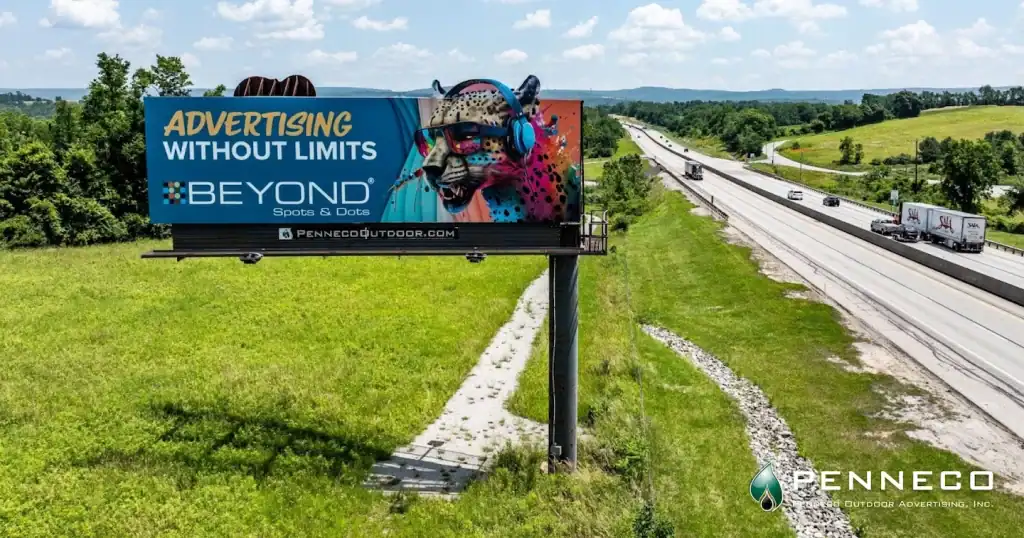
Before we get into “how,” let’s briefly cover “why.” Many assume outdoor marketing is outdated in the face of digital saturation, but the truth is that billboards offer some unique advantages.
- High reach in physical space. Billboards are seen by everyone: drivers, commuters, pedestrians. They are literally part of the environment. In high-traffic zones, impressions can be enormous.
- Repeat exposure. When people travel the same route daily, they see the same billboard multiple times. Repetition has psychological power because it builds memory and trust.
- Less ad clutter. Digital spaces are crowded with pop-ups, scrolls, and banners. Billboards are fewer and larger. They demand attention.
- Place/context relevance. Strategically placed billboards reach people in the right locations, whether that’s near your store, in a neighborhood you want to penetrate, or along routes relevant to your market.
- Physical permanence. A billboard doesn’t vanish when someone scrolls past. It endures for as long as you rent the space, giving you visibility around the clock.
Given these strengths, Billboard Advertising for Brand Awareness becomes a powerful element in your mix of advertising strategies.
Understanding Your Objectives and Audience First
You can’t design a billboard campaign in a vacuum. To make billboard advertising work to increase brand visibility, you need to align it with who you are, who you want to reach, and where they are.
| Key Planning Element | What to Define | Why It’s Important |
|---|---|---|
| Targeted geography | Which cities, neighborhoods, or highways have your ideal customers? | Physical presence matters. You want eyes from your market. |
| Audience persona | Demographics, travel behaviors, commute times, routes, vehicle vs pedestrian exposure. | Helps choose format, location, and content. |
| Brand values and messaging | What core message or identity do you want reinforced? What tone, color, or visual style matters? | Consistency with your broader branding ensures cohesion. |
| Measurement goals | Awareness lift, store visits, web searches, social media mentions. | Determines how you measure success. |
Strategic Approaches to Billboard Advertising
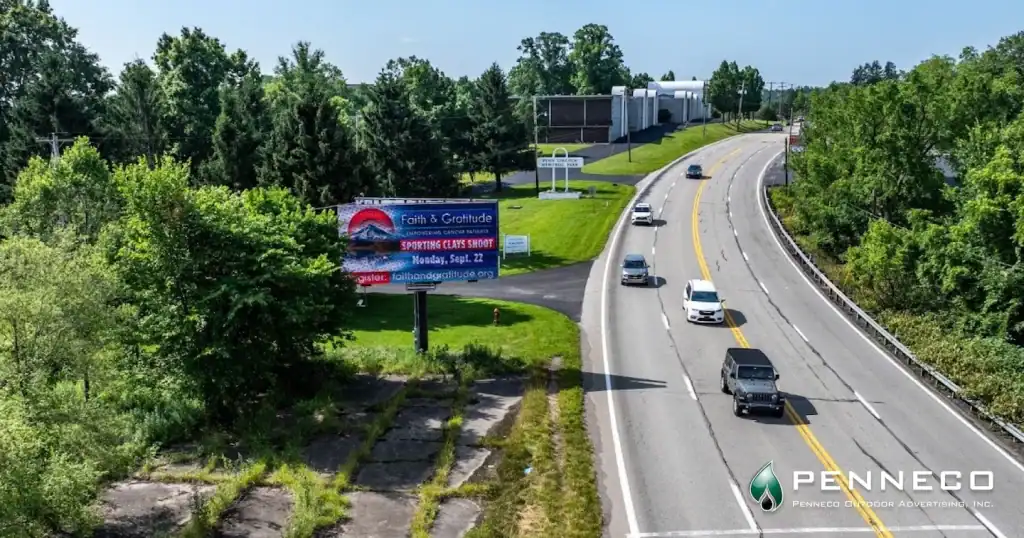
Here are strategies to guide you, each designed to maximize impact for brand awareness and visibility in your target markets.
1. Location, Location, Location
- High-traffic routes: Pick roads with heavy commuter traffic, both vehicle and foot, depending on your audience. A billboard on a busy highway can deliver thousands of impressions per hour.
- Proximity to points of interest: Choose areas near shopping centers, transit hubs, event venues, or your business location. If you’re a retailer or restaurant, make sure people see your billboard just before reaching your store.
- Geofencing and regional targeting: Use data to find where your likely audience lives, works, or travels. Then place billboards in those zones. For example, if your audience is commuters in a specific suburb, target highway exits or bridges near there.
- Time zones and daylight: Placement matters. Avoid locations where shadows or glare obscure your message. Also, think seasonally. Ski resorts, beach towns, or other tourist zones might offer limited but valuable windows of opportunity.
2. Format and Visibility
- Size matters. You need visibility from a distance. The bigger the billboard, the more time someone has to read it.
- Digital vs. static billboards. Digital billboards allow for changing content, multiple ads rotating, and time-of-day targeting. Static billboards are less flexible but often cheaper and sometimes more permanent.
- Lighting and illumination. Make sure your billboard is lit or uses reflective materials so it’s visible at night or in low light.
- Visual hierarchy and simplicity. Because people have only a few seconds to view your ad, use a big headline, simple imagery, minimal text, and strong logo placement.
- Color and contrast. High contrast makes readability easier. Choose colors that stand out from the background.
3. Messaging That Resonates
- Consistency with brand voice. If your brand is fun and playful, your billboard should reflect that. If you’re formal or corporate, keep the same tone.
- Call for attention before action. For brand awareness, the goal is recognition, not necessarily a direct purchase. Use taglines that spark memory and curiosity.
- Memorable visuals or taglines. A strong image or clever phrase helps people recall your brand later.z
- Localization cues. Including local landmarks, dialect, or imagery increases relevance. If your billboard is in a particular city, use something locals recognize.
4. Integration With Other Channels
One common mistake is treating billboard advertising as a silo. To truly increase brand visibility, integrate it into your broader advertising strategies.
- Omni-channel campaigns: Pair billboards with social media teasers, radio spots, local print, or digital ads. For example, launch a “Coming Soon” digital campaign, then reinforce it with a matching billboard.
- Use of QR codes or short URLs: Add a simple, memorable link or code for traceability. People may not write down long web addresses, but they’ll remember short, catchy ones.
- Social amplification: Encourage people to snap photos of your billboard and tag your brand with a campaign hashtag. That extends your reach far beyond the physical board.
- Event tie-ins: Promote product launches, openings, or special events with billboards, then reinforce with digital reminders.
5. Timing and Duration
- Campaign length: A billboard needs time to make an impression. Short bursts may generate curiosity, but extended exposure builds memory.
- Rotation and frequency: For digital or multiple static boards, rotate content or locations to keep things fresh.
- Seasonal and time-of-day targeting: If your business is seasonal or time-specific, change your billboard content accordingly. For example, promote “Dinner Specials Tonight” in the evening.
6. Budget and Cost Efficiency
- Media cost negotiation: Billboard pricing varies depending on location, size, and format. Negotiate longer leases for better rates.
- Choosing a mix of static and digital: A combination can help balance flexibility and cost.
- Maximize ROI through targeting: Focus on high-impact zones with your core demographic. Every wasted impression costs money.
Practical Checklist: From Strategy to Practice

Here’s a step-by-step plan you can follow to implement Billboard Advertising for Brand Awareness.
- Define your target markets. Build or review personas. Use data to find out where they live, commute, and shop.
- Research billboard inventory. Use outdoor media agencies to see what sites are available. Compare traffic counts, visibility, lighting, and pricing.
- Design your creative with impact. Keep it bold, readable, and simple. Test readability from a distance.
- Select timing and duration. Choose your campaign schedule based on budget, season, and audience habits.
- Integrate across channels. Sync billboard messaging with your digital and print campaigns for consistency.
- Track performance. Measure both direct and proxy metrics like awareness surveys, web traffic, and store visits.
- Iterate and optimize. Assess what worked and what didn’t. Adjust location, design, or messaging.
- Scale wisely. Once you identify strong performers, expand into new markets or extend campaign duration.
Case Examples and Best Practices
Here are some real-world inspired examples to make these strategies feel more concrete.
- Local Retail Launch: A boutique fitness studio used two static billboards on busy roads plus a digital board near public transit. The message was simple: “Get Strong. [Studio Name]. Opening July.” They added geo-targeted Instagram ads within a three-mile radius. The result: walk-in traffic more than doubled on opening weekend.
- Consumer Goods Brand Refresh: A company struggling with brand recall deployed striking, uniform imagery on billboards in five major markets. Paired with influencer collaborations and press releases, aided brand recall rose significantly, driving retail sales growth.
- Time-of-Day Targeting: A restaurant chain used digital billboards to change messages throughout the day: “Lunch Specials Now” in the morning and “Dinner Deals Tonight” in the evening. This flexibility boosted traffic during targeted hours.
Common Pitfalls and How to Avoid Them
Even with best practices, billboard campaigns can underperform if mismanaged. Here’s what to watch out for.
- Too much information. People only have seconds to read your billboard. Keep text minimal.
- Poor location or visibility. Visit sites in person to check lighting, angles, and sightlines.
- Inconsistent branding. Align visuals and tone with your existing marketing materials.
- Campaigns that are too short. Allow enough time for repetition to build recognition.
- Ignoring measurement. Without data, you can’t improve or justify spend.
Example Strategy Roadmap (Six-Month Plan)
- Month 1 – Define personas, research target zones, and identify potential billboard sites.
- Month 2 – Develop and test creative concepts. Choose top-performing designs.
- Month 3 – Secure placements and finalize contracts. Prepare production materials.
- Month 4 – Launch campaign. Coordinate with social, digital, and PR initiatives.
- Month 5 – Review performance and optimize creative or placement as needed.
- Month 6 – Conduct post-campaign evaluation. Measure visibility, recall, and ROl.
How Billboard Advertising Fits Into Your Overall Strategy
Billboards shouldn’t stand alone. They shine brightest when they are part of a cohesive advertising strategy.
- Digital ads: Billboards build recognition. Digital campaigns drive engagement. Together, they create awareness and action.
- Content marketing: Use billboards to tease narratives explored in blogs, videos, or social posts.
- PR and experiential marketing: Make billboards a conversation starter. Tie them into community events or product launches.
- Local partnerships: Use billboards in neighborhoods where you sponsor events or collaborate with local businesses.
Measuring Success: What to Track and How
Since your biggest challenge is visibility, measurement is essential. Here are key metrics to monitor.
| Metric | Why It Matters | How to Measure |
|---|---|---|
| Brand recall and recognition | Shows how many people remember your brand. | Conduct surveys before and after campaigns. |
| Impressions and reach | Indicates exposure volume. | Use traffic counts and outdoor media reports. |
| Engagement and mentions | Tracks word-of-mouth and social buzz. | Monitor social hashtags, mentions, and local coverage. |
| Search volume | People often search for brands after seeing billboards. | Track changes in Google Trends and website analytics. |
| Store visits or walk-ins | Shows real-world behavior change. | Use location analytics or POS data. |
| Website traffic and conversion | Measures digital lift from local audiences. | Use geo-based data or UTM tracking. |
| Cost per thousand impressions (CPM) | Helps compare efficiency to other channels. | Calculate cost vs. impressions. |
Where the Message Meets the Road
Billboard Advertising for Brand Awareness can be one of the most effective tools in your marketing toolkit when executed strategically. For marketing managers and brand strategists focused on solving visibility issues, outdoor marketing offers unmatched reach, frequency, and real-world presence. But the difference between a billboard that’s simply there and one that builds your brand comes down to planning and creativity.
If there’s one key takeaway, it’s this: know where your audience is, what they see, and how your message will resonate in that environment. When you combine that knowledge with cohesive design and integrated campaigns, billboard advertising becomes more than an ad—it becomes a statement.